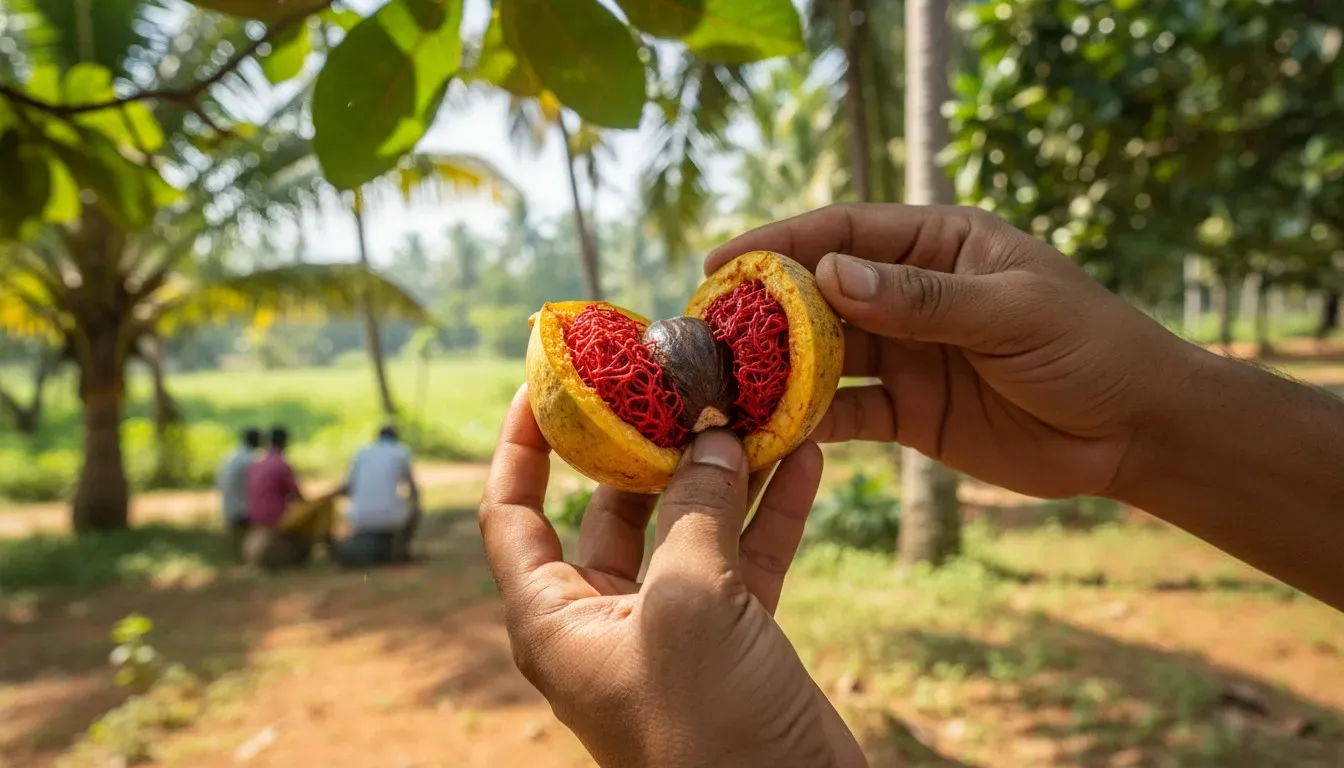


The primary hub for commercial spice plantations in Goa is Ponda taluka in Central Goa, located roughly 30 km east of Panaji. Other specialized organic spice estates operate further south in Netravali and Sanvordem. A standard visit combines a guided agricultural walk under dense palm canopies with an open-air buffet lunch serving traditional Goan dishes.
Most farms charge between ₹500 and ₹850 per adult for an entry ticket that covers both the guided tour and the lunch buffet. Children aged 5 and under enter free across major properties.
This guide covers the top operational spice plantations, verified entry prices and operating hours, what happens during the tour, how to reach them from North and South Goa, and nearby historic monuments to visit on the same route.
Top Spice Plantations in Goa Compared
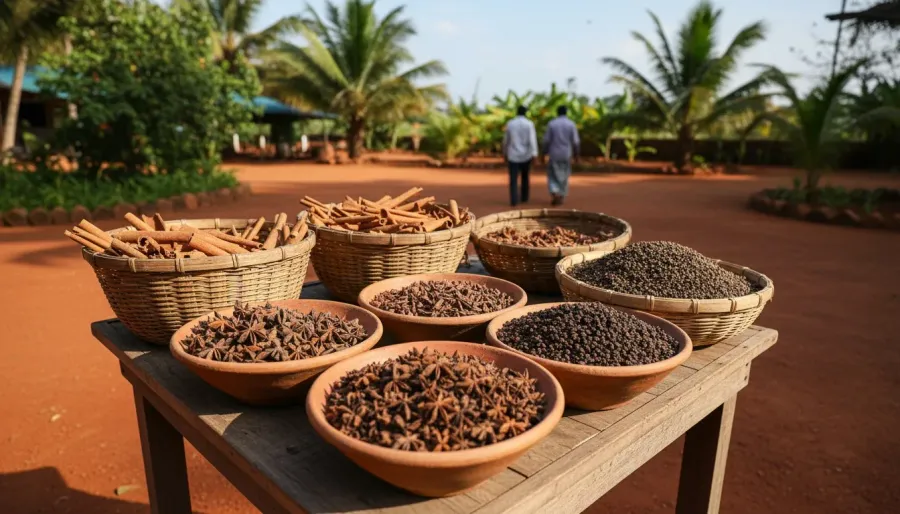
Spice farms in Goa are working agricultural estates cultivating black pepper, cardamom, nutmeg, cinnamon, cloves, vanilla, and areca nuts. Each estate has distinct features: Sahakari demonstrates palm-tree climbing, Tropical borders an inland lake, Savoi has operated for over 200 years, and Tanshikar produces certified organic crops alongside beekeeping apiaries.
| Farm | Location | Adult Ticket | Child Ticket | Opening Hours |
|---|---|---|---|---|
| Sahakari Spice Farm | Curti, Ponda (NH-748) | ₹500 | Free (5 & under) | 9:00 AM – 4:30 PM |
| Tropical Spice Plantation | Keri, Ponda (6 km north of Ponda) | ₹400 – ₹500 | Free (5 & under) | 9:00 AM – 4:00 PM |
| Savoi Spice Plantation | Savoi Verem, Ponda | ₹500 – ₹700 | Concessional rates (under 12) | 9:00 AM – 4:30 PM |
| Pascoal Spice Village | Khandepar, Ponda | ₹200 – ₹400 | ₹200 | 10:00 AM – 5:00 PM |
| Tanshikar Working Organic Farm | Netravali, Sanguem (South Goa) | ₹600 – ₹850 | ₹350 – ₹500 (Ages 6–12) | 9:00 AM – 5:00 PM |
How to Reach Ponda Spice Plantations
Because Ponda sits inland in Central Goa, reaching the spice belt takes between 45 and 90 minutes depending on your starting location. Self-drive cars, hired taxis, and organized day excursions such as the South Goa Tour routinely travel this corridor.
Driving times and distances to the main Ponda cluster:
• From Panaji: 29 to 32 km via the NH-748 highway, taking 45 to 60 minutes. • From North Goa beaches (Calangute, Baga, Candolim): 38 to 45 km, taking roughly 1 to 1.5 hours. • From Margao: Approximately 30 km via the Margao–Ponda Highway, taking 40 to 50 minutes. • From Dabolim Airport (GOI): 38 to 40 km southwest of Ponda, taking roughly 1 hour by taxi.
For Tanshikar Spice Farm in Netravali, travel roughly 45 to 50 km southeast from Margao or 75 km southeast from Panaji into Sanguem taluka.
The Plantation Tour Experience and Lunch
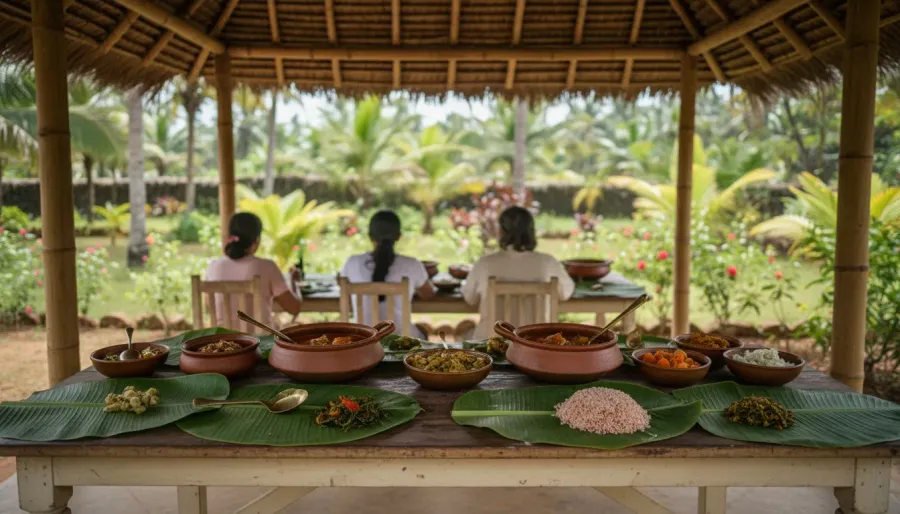
Commercial spice farms follow an established visitor routine. Guests receive a traditional welcome that includes a marigold garland, a kumkum forehead mark, and a hot herbal infusion brewed with lemongrass, ginger, and cardamom.
A local naturalist then leads a 45- to 60-minute walking tour through a multi-tier agroforestry system. Tall areca nut and coconut palms create a canopy and serve as living trellises for black pepper vines and vanilla creepers. Beneath the canopy grow nutmeg, clove, cinnamon trees, cardamom, ginger, and turmeric. Guides detail agricultural cultivation and traditional Ayurvedic uses. Portuguese maritime trade introduced crops such as cashew, pineapple, papaya, and chili peppers after 1510, which grow across these farms today.
Tours frequently stop at operational traditional alembic stills to demonstrate the extraction and distillation of cashew feni, ending with an optional tasting measure. Afterwards, guests dine at an open-air buffet served on fresh banana leaves (or clay pots at Savoi Spice Plantation). The lunch buffet includes Goan parboiled rice, fish curry, chicken xacuti, dal, vegetable dishes, fried fish, and sol kadhi, a digestive drink made from kokum and coconut milk.
- Buffet lunch timings: 12:30 PM to 2:30 PM.
- Recommended arrival time: Arrive between 10:00 AM and 11:30 AM to complete the 45- to 60-minute walking circuit before lunch service begins.
- On-site retail: Farm shops sell black peppercorns, cinnamon quills, green cardamom pods, whole nutmeg, cashew nuts, vanilla beans, and distilled lemongrass oil.
Best Time to Visit
The primary travel season for visiting Goan spice plantations is from October to March. During these months, the weather remains dry, walking trails are clear, and daytime outdoor humidity is manageable. Read our breakdown on the best time to visit Goa for broader seasonal patterns.
The monsoon season from June to September brings heavy precipitation and maximum foliage density. While plantations stay open daily and streams run full, dirt walking trails turn muddy and waterlogged.
Footwear, Accessibility, and Packing Tips
Spice plantations are active agricultural estates with unpaved paths rather than paved walkways. Preparing properly ensures a safe and comfortable visit.
- Footwear: Wear closed-toe shoes or trekking shoes with anti-slip traction. Paths consist of natural red laterite dirt, damp soil, and exposed roots that become slick.
- Clothing: Wear breathable cotton clothing with long pants and long sleeves to minimize insect bites under dense shade canopies.
- Insect protection: Apply mosquito repellent before walking under the farm trees.
- Accessibility: Plantation trails cross narrow irrigation ditches, stepped terrain, and unpaved mulch. Paths are not accessible for standard wheelchairs or baby strollers.
- Amenities: Major estates offer shaded dining halls, washroom blocks, handwashing stations, and free vehicle parking.
Combining Plantations with Nearby Sights
Visiting a spice plantation in Ponda pairs easily with historical and cultural landmarks located within a short drive. If you are structuring a 3 days in Goa itinerary, Central Goa's religious architecture and inland heritage offer a change of pace from coastal sights featured in our Goa sightseeing guide.
- Safa Masjid: A 16th-century stone mosque protected by the Archaeological Survey of India (ASI), situated along NH-748 in Curti less than 2 km from Sahakari Spice Farm.
- Shri Mangueshi Temple: Located in Priol, approximately 10 km northwest of Ponda town, easily reached before or after visits to Sahakari or Tropical plantations.
- Shri Shantadurga Temple: Located in Kavlem, approximately 4 km southwest of Ponda town, roughly a 15-minute drive from central Ponda farms.
- Netravali Attractions: Visitors heading south to Tanshikar Spice Farm can visit the Netravali Bubbling Lake (Budbudyanchi Tali) and the prehistoric Usgalimal petroglyphs, both within 15 to 30 minutes of the estate.
- Dudhsagar Area: Dudhsagar Plantation in Karmane village sits roughly 10 km from Collem railway junction, making it accessible for travelers exploring the Dudhsagar Falls route.
Book with GoaWala
3 options from ₹400 per person — live prices, October 2026.
- North Goa Tour — from ₹400 per person · 9 Hours · North Goa
- South Goa Tour — from ₹400 per person · 9 Hours · South Goa
- Extreme South Goa Tour — from ₹1,500 per person · 10 Hours · South Goa
Frequently asked questions
How much does a spice plantation tour cost in Goa?
Adult entry tickets generally cost ₹500 at Sahakari Spice Farm and Tropical Spice Plantation, ₹500 to ₹700 at Savoi Spice Plantation, and ₹600 to ₹850 at Tanshikar Organic Farm. Standard entry includes the guided walking tour and a Goan buffet lunch.
What is the best time of day to arrive at a spice plantation?
Arrive between 10:00 AM and 11:30 AM. This gives you sufficient time to complete the 45- to 60-minute guided walk before the buffet lunch is served between 12:30 PM and 2:30 PM.
Are spice plantations wheelchair accessible?
No. The walking circuits consist of uneven laterite dirt, damp topsoil, exposed tree roots, and narrow irrigation bridges that cannot accommodate standard wheelchairs or baby strollers.
Are spice plantation tickets free for children?
Yes, children aged 5 and under enter free of charge at major farms including Sahakari and Tropical. Children aged 6 to 12 receive concessional ticket pricing.
What food is served in the spice plantation buffet?
The open-air buffet typically includes parboiled rice, fish curry, chicken xacuti, dal, vegetable preparations, fried fish, and sol kadhi, served on fresh banana leaves or in clay pots.
Can you buy spices directly at the plantations?
Yes. Every commercial spice plantation maintains an on-site shop selling farm-harvested whole black peppercorns, cinnamon quills, cardamom, vanilla beans, cashew nuts, and distilled lemongrass oil.
Sources
- offbeatpeak.com
- privebywhiteflower.com
- goaview.com
- universaladventures.in
- 7seasfly.com
- holidify.com
- letsgoa.co.in
- tanshikarspicefarm.com
- officialspiceplantationgoa.com
- letsgoa.co.in
- officialspiceplantationgoa.com
- facebook.com
- avathi.com
- lohono.com
- holidify.com
- sahapedia.org
- thesilvernomad.co.uk
- thespiritualindian.com
- itsgoa.com
- letsgoa.co.in
Last checked 9 October 2026
More in Places to Visit in Goa: Essential Sights and Visitor Guide
- Basilica of Bom Jesus, Old Goa: Visitor Guide
- Chapora Fort Goa: Visitor Guide, Timings, and History
- Dudhsagar Falls: Safari Bookings, Costs, Timings, and Rules
- How to Visit Dudhsagar Falls: Complete Safari & Route Guide
- Fort Aguada: Timings, Entry Fees, History, and Visitor Guide
- Grande Island Goa: Diving, Boat Tours, and Trip Guide